
Cross-Country Moving Companies
Cross-Country Moving Companies searches often begin when a move becomes real and the customer needs dependable options quickly. Best Movers Nationwide helps households planning coast-to-coast relocations compare third-party moving providers and request information without pretending that every company offers the same service, price, schedule, or coverage. This guide explains how to evaluate estimates, verify interstate authority, plan the move, and recognize terms that deserve a closer look.
Best Movers Nationwide is a Nashville-based moving referral and lead-generation platform. We are not a motor carrier, do not own moving trucks, and do not transport household goods. Any moving service is performed by an independent third-party provider selected by the customer. Availability, pricing, licensing, insurance, service areas, and performance vary by provider. Compare broader options in our long-distance moving companies guide and nationwide moving quotes resource.
Table of Contents
- How to compare options
- Written estimates and pricing
- Verify interstate credentials
- Services and timing
- Planning checklist
- Frequently asked questions
How to Compare Cross-Country Moving Companies
Start with the move itself, not a promotional price. Write down the origin, destination, preferred pickup window, property type, stair or elevator conditions, parking limits, inventory size, fragile items, packing needs, storage needs, and delivery flexibility. Providers can produce more useful estimates when the information is complete. Missing details may later become extra labor, shuttle, long-carry, packing, or storage charges.
Compare at least three written estimates on the same scope. Look beyond the bottom-line total and compare included labor, transportation, packing materials, valuation coverage, accessorial charges, cancellation terms, storage, and delivery method. An estimate that excludes necessary work is not truly less expensive. Ask the provider to explain every blank, abbreviation, and conditional charge before signing.
Service fit matters as much as price. A small apartment move may need efficient loading and a flexible delivery window, while a large household or business relocation may require packing crews, specialty-item handling, staged delivery, or storage in transit. Ask who will perform each service and whether any portion may be transferred to an authorized agent or subcontractor.
Understand Written Estimates and Final Charges
Interstate estimates may be binding, non-binding, or binding-not-to-exceed, subject to federal rules and the accuracy of the inventory and services requested. The label alone does not answer every pricing question. Review how weight, cubic footage, labor, distance, valuation, fuel, access conditions, packing, and storage affect the calculation. Never rely only on a phone quote that lacks an inventory and written terms.
Update the mover promptly if the inventory changes. Adding furniture, boxes, packing, a difficult stairway, or a destination shuttle can change the legitimate cost. Request a revised written estimate before loading whenever possible. Keep copies of the estimate, bill of lading, inventory, valuation selection, payment receipts, and all messages in one folder that remains with you.
- Confirm the legal company name and USDOT number.
- Request a complete written inventory.
- Identify every included and optional service.
- Ask when and how payment is due.
- Understand cancellation and rescheduling terms.
- Review pickup and delivery windows.
- Do not sign incomplete documents.
Verify Interstate Authority and Consumer Information
Before booking, verify the provider through the FMCSA Protect Your Move resources. Check the company name, USDOT number, operating status, contact information, complaint history, and whether it is presented as a carrier or broker. The name on the estimate should make sense when compared with federal records.
Read the federal Rights and Responsibilities booklet and retain it with the move documents. Ask direct questions when names, addresses, phone numbers, or payment instructions do not match. Pressure to pay a large deposit through an irreversible method, refusal to provide written documents, vague identity information, or a price dramatically below comparable estimates are reasons to pause and investigate.
A referral can simplify discovery, but customers remain responsible for reviewing and selecting the provider. Best Movers Nationwide does not guarantee rates, availability, licensing status, insurance, pickup dates, delivery dates, or outcomes. Verify current information directly with the provider and appropriate government sources before contracting.
Choose the Right Service Level
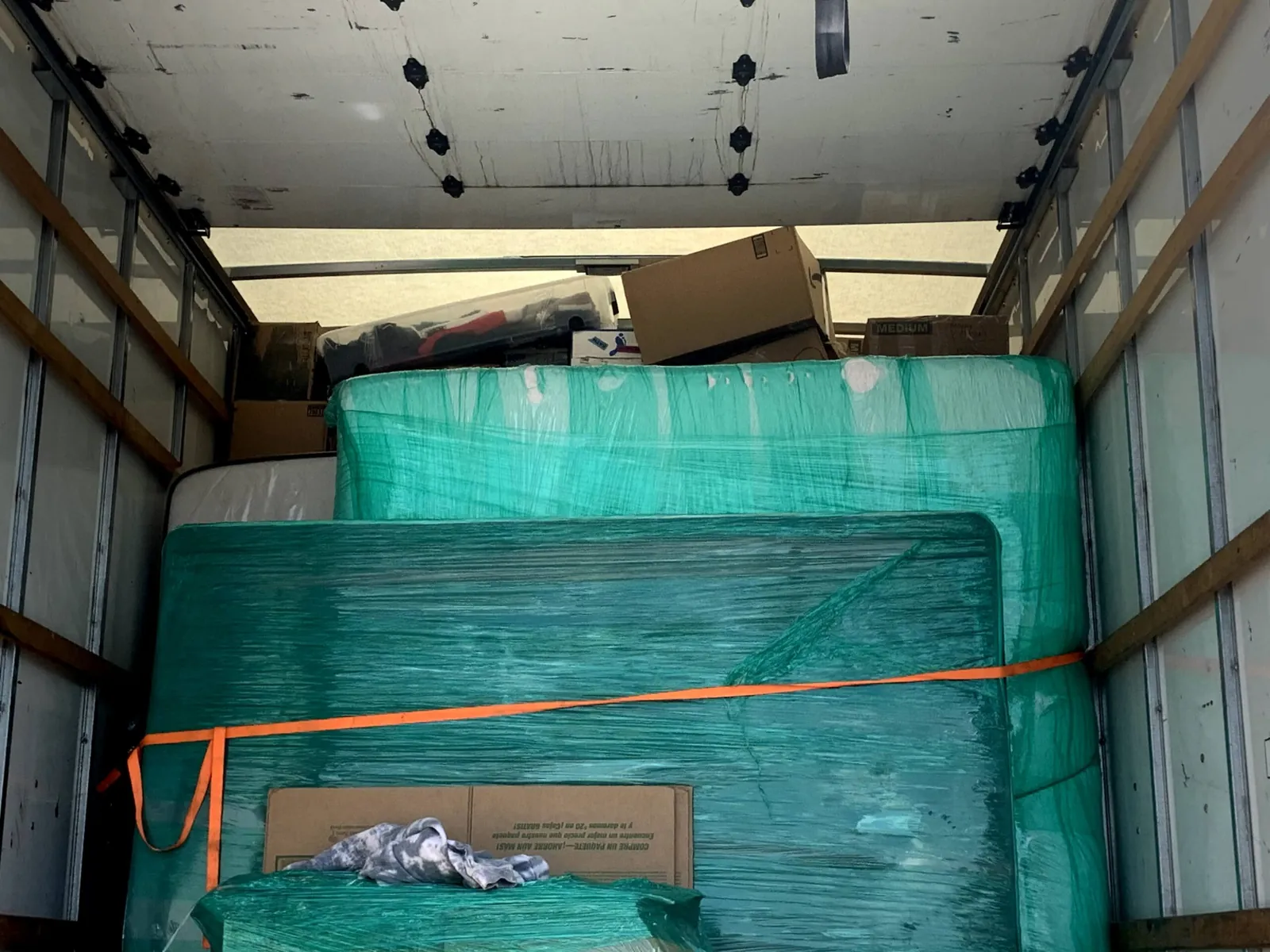
Full-service moves may include packing, inventory preparation, loading, transportation, unloading, and optional unpacking. The best experience is one crew and one truck handling the move door to door, with every item padded and wrapped; partial packing can reduce cost when customers can safely pack some boxes themselves. Specialty belongings—including pianos, artwork, antiques, safes, oversized furniture, servers, or sensitive office equipment—should be disclosed early so the provider can confirm capability and pricing.
Pickup and delivery dates are often windows rather than guaranteed appointments. Clarify the earliest and latest dates, communication process, tracking method, storage procedures, and who to contact during transit. Keep medicines, identification, financial records, keys, chargers, basic clothing, work materials, and irreplaceable items with you rather than loading them on the truck.
Valuation is not the same as ordinary property insurance. Ask the provider to explain released-value protection and any full-value option, deductibles, exclusions, claim deadlines, repair or replacement procedures, and documentation requirements. Customers with unusually valuable belongings may also wish to speak with their own insurance professional before moving day.
A Practical Planning Checklist
Six to eight weeks before the move, reduce the inventory, create a budget, gather records, and begin provider comparisons. Four weeks before, confirm the scope, reserve building access, plan travel, transfer services, and decide what will travel personally. During the final week, reconfirm arrival details, photograph valuable items, label cartons by room, prepare an essentials bag, and protect floors and doorways.
On loading day, compare the inventory with the items being loaded and note visible damage accurately. Review the bill of lading before signing, confirm destination contacts, and obtain copies. At delivery, inspect items as they are unloaded, note loss or damage on delivery documents, retain photographs, and follow the provider’s written claim process within applicable deadlines.
Customers comparing related options can review our interstate moving cost guide, moving quote comparison guide, and cross-country moving checklist. These resources help align price, scope, documentation, and timeline before a final booking decision.
Why Careful Comparison Produces Better Decisions
The best choice is not automatically the largest company, the closest company, or the lowest advertised rate. A strong match has understandable documents, a realistic scope, verifiable identity, responsive communication, and services that fit the move. Comparing equivalent estimates reduces surprises and makes it easier to identify meaningful differences in valuation, packing, access charges, storage, and delivery expectations.
For cross-country provider comparison, preparation creates leverage. A clear inventory and schedule help providers price the job accurately, while organized questions help customers evaluate answers consistently. If a provider cannot explain its estimate or identity clearly, take more time. Interstate moves involve valuable property and important deadlines; careful verification is worth the effort.
Request Options Through Best Movers Nationwide
Ready to compare options? Submit accurate move details to Best Movers Nationwide, including origin, destination, move date, home or office size, inventory highlights, and requested services. We may connect you with independent third-party providers that appear relevant to your request. You choose whether to contact, compare, or hire any provider.
10 Cross-Country Moving Tips From Best Movers Nationwide
- Plan 8–12 weeks out. Coast-to-coast capacity fills fast in summer.
- Get a video or in-person survey. Weight and volume drive cross-country pricing.
- Ask about one truck, door to door. Fewer transfers mean less handling and damage risk.
- Confirm the delivery window. Cross-country transit often takes 7–21 days; get dates in writing.
- Verify the USDOT number. Match FMCSA records to the name on your estimate.
- Choose full-value protection. Released value pays only cents per pound.
- Purge before you pack. Every pound costs more over 2,000+ miles.
- Plan storage-in-transit early. If your new home is not ready, ask about secure storage.
- Ship or drive vehicles separately. Coordinate auto transport with the household delivery.
- Carry essentials and valuables. Documents, medicine, jewelry and electronics ride with you.
Popular long-haul routes: Boston to Nashville, Nashville to Miami, Boston to Miami, Wichita KS long-distance movers and interstate movers Nashville.
About Best Movers Nationwide
Best Movers Nationwide is a Nashville-based nationwide moving resource from the JM Move Empire family, available 24/7. Network brands include JM Moving, Nashville Packers and Movers, Miami Packers and Movers, Packers and Movers Augusta and TNT Moving USA. Request a free quote 24/7.
Frequently Asked Questions
When should I book cross-country moving companies?
Book 8–12 weeks before a coast-to-coast move. Summer and month-end dates fill first because one truck may be committed to a single 2,000+ mile run for over a week.
Why do cross-country estimates vary so much?
Coast-to-coast pricing is driven by weight or volume, total miles, fuel, and access at both ends. One company may quote a dedicated truck while another plans a shared load, so compare delivery method, not just the total.
Does a cross-country mover need federal authority?
Yes. Any company hauling household goods across state lines needs an active USDOT number and interstate operating authority. Check it on FMCSA before you sign.
Dedicated truck or shared load for a cross-country move?
A dedicated truck goes straight from your old home to your new one with less handling and tighter delivery dates. A shared load can cost less but usually means a wider delivery window and extra stops.
What if my new home is not ready when the truck arrives?
Ask about storage-in-transit before booking. Your goods can be held near the destination until closing or lease start, then delivered. Get storage terms and fees in writing.
Can cross-country movers ship my car too?
Vehicles usually travel on a separate auto carrier, not the household truck. Book auto transport early and line up its pickup and delivery with your furniture delivery window.
What should I pack for the days my goods are in transit?
A cross-country truck can be on the road a week or more. Carry IDs, medicine, work laptop, chargers, jewelry, a few changes of clothes, and air mattresses or bedding for arrival night.
Is cross-country moving cheaper by weight or by volume?
It depends on what you own. Dense items like books and tools weigh a lot in little space, while sofas take space but weigh less. Ask each company which method it uses and compare on the same inventory.
How do I protect furniture on a 2,000-mile trip?
Long hauls mean hours of road vibration. Every piece should be pad-wrapped and strapped, with legs removed where possible and art or mirrors crated. Ask how the load is secured.
What happens if items arrive damaged after a cross-country move?
Note damage on the delivery paperwork before signing, take photos, and file a written claim with the mover. Federal rules give you up to nine months to file on an interstate move.
Disclosure: Best Movers Nationwide is a Nashville-based referral and lead-generation platform. It is not a motor carrier and does not provide transportation services. Providers are independent third parties. Customers should verify provider credentials, authority, insurance or valuation information, rates, and contract terms before booking.

Compare More Cross-Country Moving Options
When you evaluate cross-country moving companies, it helps to compare related services side by side. See our Interstate Movers Near Me guide to find vetted local-to-long-distance providers, review Residential Interstate Movers for household relocations, or check Commercial Long-Distance Movers if you are relocating a business. For upfront pricing across every route, start with our Nationwide Moving Quotes tool.
Cross-Country Moving Companies: FAQ
How long does a cross-country move take?
Transit depends on distance and route; your delivery window is written into the estimate. See interstate moving delivery windows.
How much does cross-country moving cost?
Door-to-door long-distance moves start from $2,500, with the final flat rate confirmed on a call after a walkthrough.
How should I prepare?
Use our cross-country moving checklist and ask about hidden moving fees before you sign.
Are high-value items protected?
Yes: floor and door protection, wrapping with written condition notes on art, pianos and safes, and custom crating for art and mirrors.
Request a free moving quote to connect with a participating cross-country mover.