

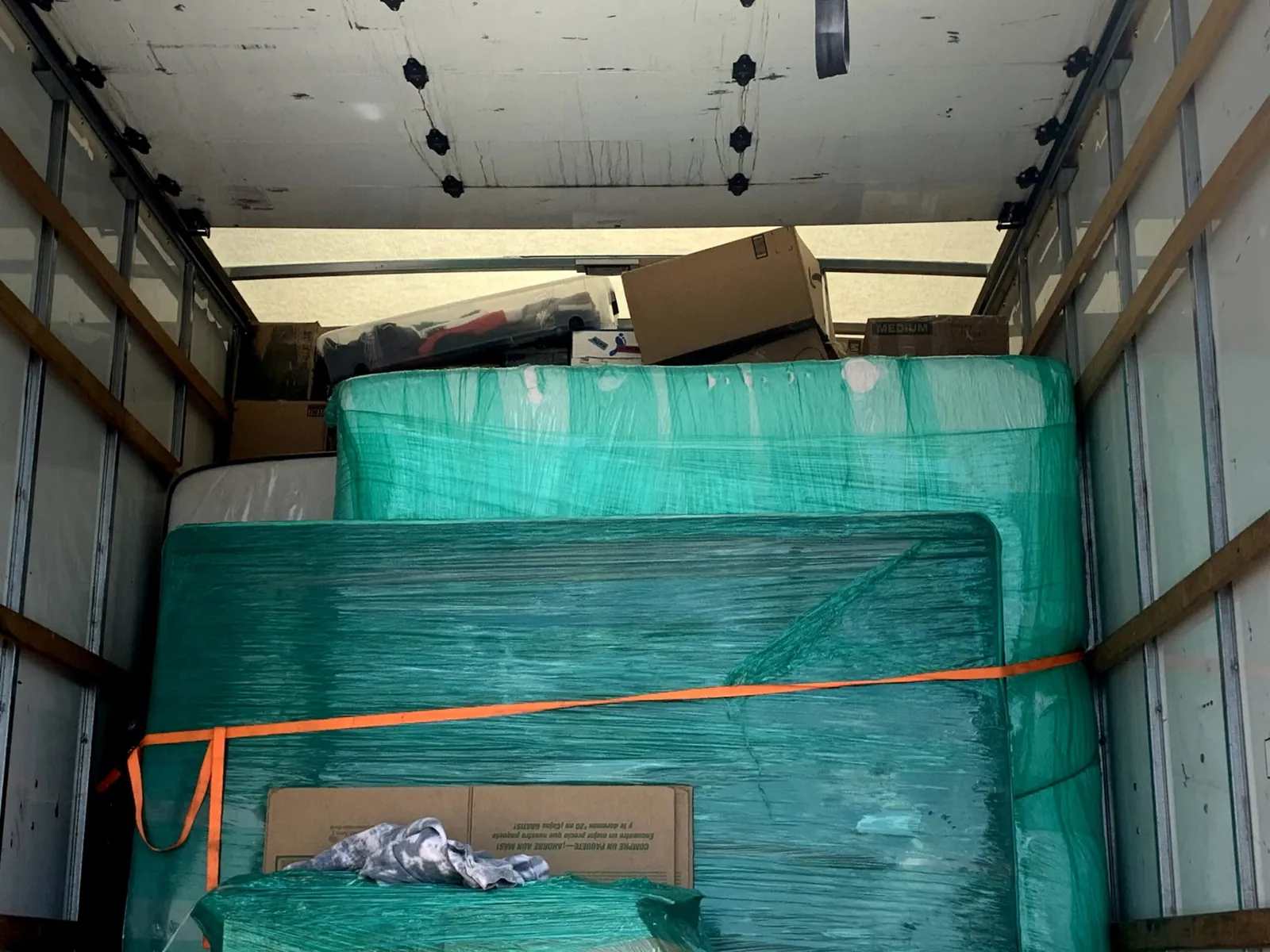
Relocating from Tampa Bay to Boston means planning a long-distance shipment across roughly 1,300 road miles and preparing for very different destination conditions. Boston’s narrow streets, older buildings, parking rules, stairs, and winter weather can affect delivery even when a Tampa pickup is straightforward. Best Movers Nationwide helps customers request options from independent providers. Begin with a free moving quote when you know your inventory and timing.
Referral disclosure: Best Movers Nationwide is not a household-goods motor carrier. We do not provide crews, trucks, packing, transportation, storage, or delivery. We are a comparison and referral platform, and independent providers perform contracted services. Consumers should verify the actual carrier using FMCSA Protect Your Move and review all documentation before signing.
Start with a complete household inventory
A useful estimate begins with an honest account of everything being moved. Walk through closets, patios, the garage, storage areas, cabinets, and spare rooms. Record large or heavy pieces and estimate carton quantities. Photographs or a video survey may help an estimator understand the shipment, but confirm how the final inventory will be documented.
Tell providers about elevators, stairs, parking distance, gated access, loading docks, and building hours. At the Boston end, determine whether a large moving vehicle can legally and physically reach the entrance. Missing access facts can undermine comparisons between Tampa to Boston moving quotes.
Compare equivalent service packages
The label “full service” can mean different things. One proposal may include carton packing but exclude unpacking or debris pickup. Another may include basic furniture disassembly but charge separately for complex items. Request an itemized scope with the labor, materials, handling, storage, and delivery services clearly described.
- Full, partial, or owner packing
- Mattress, furniture, and floor protection
- Custom crating for fragile property
- Loading and interstate line-haul service
- Unloading and basic room placement
- Storage-in-transit and redelivery
- Shuttle service for limited access
Use the nationwide services guide to identify what you need and the cross-country checklist to organize each stage.
Factors behind Tampa to Boston moving costs
Shipment size, travel distance, labor, service level, season, and access drive most pricing differences. Professional packing, specialty handling, stairs, long carries, elevators, storage, and shuttles can add cost. A high-rise delivery in central Boston may require arrangements that do not apply to a driveway delivery outside the city.
Compare the estimate type and written assumptions. Learn what circumstances permit changes and how additions must be authorized. Ask about deposits, accepted payment forms, cancellation, delivery windows, valuation, and claims. Do not rely on sales language that is absent from the agreement.
Organize the move in four stages
Research and reduce
Six to eight weeks before pickup, declutter and finalize the moving inventory. Request estimates based on the same service scope. Verify prospective carriers and examine recent complaint patterns. More lead time is useful during summer or at month-end.
Book and coordinate
After choosing a provider, confirm pickup and delivery ranges in writing. Coordinate Tampa community access and Boston parking, elevator, or building requirements. Arrange utilities and personal travel without assuming the shipment will arrive on a single exact day unless the contract says so.
Pack and document
Use sturdy cartons, room labels, and cushioning appropriate to the contents. Photograph valuable pieces and keep receipts where available. Separate items movers cannot accept, along with medicine, identification, jewelry, financial records, and essentials that should stay with you.
Inspect and retain records
Review the inventory at loading. At delivery, check items systematically and record visible shortages or damage on the paperwork. Save the estimate, bill of lading, inventory, photographs, receipts, valuation selection, and correspondence.
Preparing for a Boston delivery
Contact your building manager or local government about loading space and permits. Reserve an elevator, confirm move-in hours, and ask about certificates of insurance or protective materials. If a tractor-trailer cannot access the address, ask the provider in advance whether a shuttle is necessary and how it is priced.
Winter deliveries require extra preparation. Ensure paths are cleared, utilities and heat are on, and floors can be protected from moisture or salt. Allow scheduling flexibility during severe weather. Items packed in Florida may also need protection from freezing temperatures during transit or unloading.
How to identify a credible provider
Ask for the legal company name and USDOT number of the carrier responsible for the shipment. Determine whether the business selling the move is a carrier or a broker. Confirm federal registration independently and review the mover’s required consumer information. The company named on your paperwork should be understandable before your belongings are loaded.
A suspiciously low price, incomplete inventory, blank forms, refusal to identify the carrier, large cash-only deposit, or aggressive last-minute changes are warning signs. See how moving quotes work for a structured comparison process.
Request useful Tampa to Boston moving quotes
Prepare both ZIP codes, preferred dates, home sizes, a room-by-room inventory, building access, packing requirements, storage needs, and specialty items. Supply identical facts to each estimator. Evaluate the total service, credentials, paperwork, valuation, schedule, and communication—not price alone.
Coordinate the origin and destination properties
Moving logistics involve property rules as well as transportation. In Tampa, confirm gate codes, truck routes, community hours, loading areas, and association documentation. At the Boston address, learn parking restrictions, elevator schedules, loading-dock requirements, and whether common areas need protection. Give written instructions to the provider instead of waiting for moving day.
If you are closing on either property, avoid creating an impossible schedule based on optimistic assumptions. Build time for paperwork, keys, cleaning, and travel. Ask about contingency options if pickup access or destination occupancy changes.
Specialty items and third-party services
Pianos, grandfather clocks, large safes, pool tables, appliances, wall-mounted televisions, and complex furniture may require advance planning. Ask whether the mover handles these items directly or uses a specialist. Identify disconnection, servicing, crating, and reinstallation tasks in writing, including who is responsible.
Measure large pieces and every critical doorway, stair turn, hallway, and elevator. A piece that left a spacious Tampa home may not fit into an older Boston building. Decide before shipping whether disassembly, hoisting, storage, or a different disposition is sensible.
Questions to use during quote calls
- Are you a carrier, broker, or both?
- What legal company appears on the bill of lading?
- How was the shipment size calculated?
- Which access charges are already included?
- What is the process if my inventory changes?
- How is delivery scheduled and communicated?
- What valuation options can I select?
- Where and how would I submit a claim?
Complete a final written comparison
Before booking, compare more than totals. Confirm the same shipment and services appear in every estimate. Note the legal carrier, registration, estimate type, deposit, delivery range, valuation, storage provisions, and possible access charges. Ask why one proposal differs sharply from the others. A provider should be able to explain its assumptions without pressure or vague promises.
After choosing, report changes to inventory, dates, or addresses promptly and request revised documentation. Accurate written updates help prevent avoidable disputes at pickup and delivery.
Frequently asked questions
How long is the Tampa-to-Boston route?
It is commonly about 1,300 road miles, though precise mileage depends on addresses and the carrier’s route.
When should I request quotes?
Four to eight weeks ahead is often practical, with more time for peak dates or complicated building access.
Can I get a guaranteed delivery day?
Some services may offer specific arrangements, but many interstate contracts use a delivery window. Rely on written terms.
Will movers unpack my cartons?
Unpacking may be available as an added service. Confirm whether it includes item placement or only carton opening and debris removal.
Do Boston buildings require insurance certificates?
Some do. Ask property management exactly what documentation and limits are required before scheduling delivery.
What happens if my Boston home is not ready?
Discuss storage-in-transit before booking, including warehouse charges, handling, access, and redelivery costs.
How are damaged items handled?
Follow the provider’s written claim process, deadlines, and valuation terms. Preserve evidence and all move documents.
Can I pack my own belongings?
Usually, but owner-packed cartons may be treated differently for claims. Use proper materials and ask about applicable terms.
How do I check interstate authority?
Search the mover’s legal name and USDOT number through FMCSA’s official consumer and registration resources.
Is Best Movers Nationwide the carrier?
No. It provides comparison and referral opportunities. Independent companies perform and contract for moving services.
Request free Tampa to Boston moving quotes and compare your options.
Compare More Tampa to Boston Movers Options
Planning a Tampa to Boston movers relocation? Compare the reverse trip with Boston to Tampa Movers, or review Long-Distance Movers Tampa and Orlando to Boston Movers for nearby route options.
Still planning your Tampa to Boston move? Compare long distance movers in Boston.