

Tampa to Miami Movers
Tampa to Miami Movers helps households compare independent moving options for a carefully planned in-state long-distance relocation of approximately 280 miles. Get practical guidance for written estimates, access details, packing, delivery, and federal verification.
Tampa to Miami Movers: compare written estimates, access plans and credentials before you choose a provider for your Florida move.
Table of Contents
Plan the Tampa–Miami Route With Real Details
A dependable plan starts with the homes, not just the map. This move covers about 280 miles and commonly follows I-75 through Southwest Florida and Alligator Alley. The origin survey should record suburban driveway access, downtown loading zones, gated communities, and summer thunderstorms. At destination, the provider needs advance notice about high-rise elevator appointments, tight urban parking, condo insurance certificates, and event traffic. Those details influence crew size, equipment, labor time, and whether a smaller shuttle vehicle could be required. Share photographs or a live video walkthrough when an in-person survey is not practical, and keep every access assumption with the written estimate.
The two locations also require planning for heat and humidity during loading and delivery. Heat, rain, snow, or humidity can change how mattresses, wood furniture, electronics, art, and upholstered pieces should be wrapped. A route-aware coordinator should discuss weather contingencies, building hours, and a backup contact before pickup. Customers should never rely on a verbal promise about timing or price; the estimate, order for service, and bill of lading should agree.
Build an Accurate Tampa Inventory
Walk through every room, closet, garage, storage area, patio, and attic. Count cartons by size and list furniture individually. Identify unusually heavy or delicate items such as safes, pianos, marble tables, artwork, gym equipment, glass cabinets, and large televisions. Note anything that must be disassembled. A dated inventory prevents different companies from pricing different scopes and gives you a clearer basis for comparing proposals.
Record the pickup address type, floor, stairs, elevator dimensions, walking distance to legal truck parking, and any time limits. For Tampa, special attention should go to suburban driveway access, downtown loading zones, gated communities, and summer thunderstorms. Send the same notes and photographs to each candidate. If the inventory changes, request a revised estimate before loading rather than waiting for an unexpected adjustment on moving day.
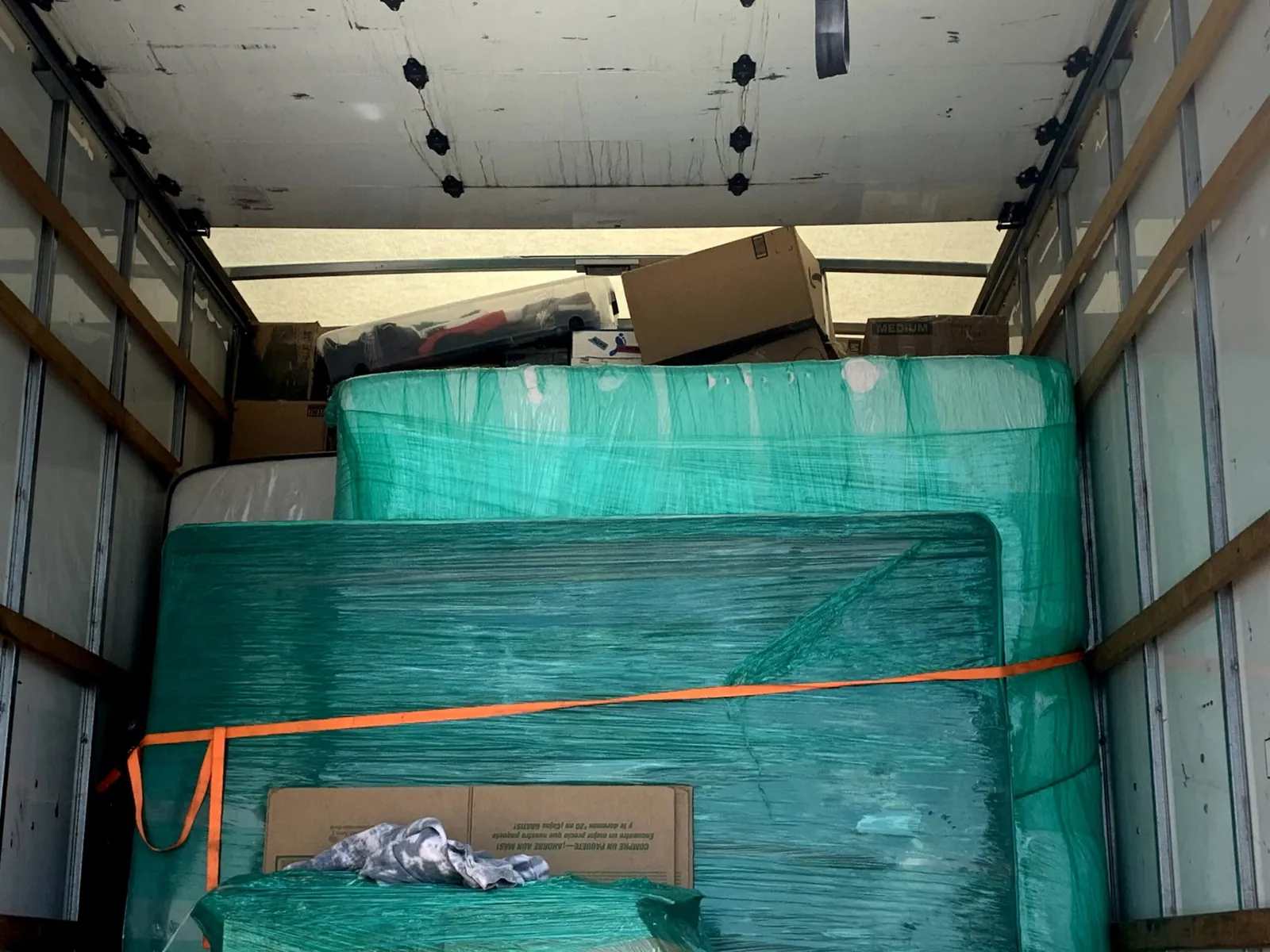
Packing for heat and humidity during loading and delivery
Use small reinforced cartons for books, dish cells for glassware, wardrobe boxes for hanging clothes, and fitted cartons for televisions. Wrap wood surfaces with clean pads, protect corners, and avoid placing stretch film directly against delicate finishes. Seal liquids in secondary bags and remove prohibited or temperature-sensitive items. Photograph valuable pieces before packing and again before loading.
Label each carton with its destination room, a unique number, basic contents, and handling priority. Maintain a separate personal list so you can confirm delivery without opening every box. Keep passports, medication, keys, financial records, chargers, jewelry, irreplaceable documents, and a first-night kit with you. These essentials should never enter the household-goods shipment.

Tampa to Miami Planning Milestones
Six to eight weeks before departure, settle the target date range and remove items that should not be transported. Request surveys using a complete inventory, then compare the written scope rather than a salesperson’s headline total. For this particular lane, flag suburban driveway access, downtown loading zones, gated communities, and summer thunderstorms at the first conversation. If the move involves a lease, closing, school start, or job report date, share the real deadline without treating an estimated delivery window as a guarantee.
During the final month, confirm utilities, change-of-address tasks, travel arrangements, building approvals, and parking. Decide which pieces need professional packing and which rooms the household will pack. The anticipated drive follows I-75 through Southwest Florida and Alligator Alley, so avoid planning around an internet map’s nonstop drive time. Household-goods operations include loading, required stops, scheduling, and delivery coordination.
During the final week, reconfirm the inventory, access, certificate requirements, crew window, and acceptable payment methods. Prepare a carry-with-you kit for several days, even though a common route-planning range is 1–3 days. At destination, confirm high-rise elevator appointments, tight urban parking, condo insurance certificates, and event traffic. A short written checklist shared with all decision-makers reduces last-minute misunderstandings.
Best Movers Nationwide is a comparison and referral platform. It does not own moving trucks or transport household goods. The independent carrier or broker chosen by the customer performs or arranges the service. This distinction matters: verify the provider’s legal role, USDOT record where applicable, insurance information, complaint history, and written terms before committing.
Control the Tampa Pickup Day
Before the crew begins, confirm the legal carrier identity, vehicle details, arrival window, and on-site contact. Walk through the inventory and document additions or removals. Review the estimate, order for service, valuation selection, and bill of lading. Make sure the destination address and phone numbers are correct. Photograph rooms and high-value pieces before loading, and retain a signed copy of the inventory.
Protect floors, railings, doors, and elevators as the building requires. Keep children and pets away from loading paths. Separate prohibited materials and personal essentials. If the crew requests a material change in price or scope, pause and ask for the reason in writing. Do not accept pressure to sign blank forms or pay through an untraceable method.
Create a Workable Pickup and Delivery Schedule
Start quote requests four to eight weeks ahead, and allow more time for peak summer dates, holidays, military reporting dates, or strict building reservations. A pickup spread is not the same as an exact arrival time, and an estimated delivery window is not a guaranteed delivery date unless the contract clearly says so. Ask who provides updates and how delays are documented.
For this corridor, dispatch may plan around I-75 through Southwest Florida and Alligator Alley. Traffic, inspections, severe weather, equipment issues, and other operational factors can affect transit. The commonly discussed planning range is 1–3 days, but the selected provider’s written schedule controls. Do not arrange travel, closings, or utility shutoffs around an informal promise. Maintain flexible lodging or essential supplies when timing is critical.
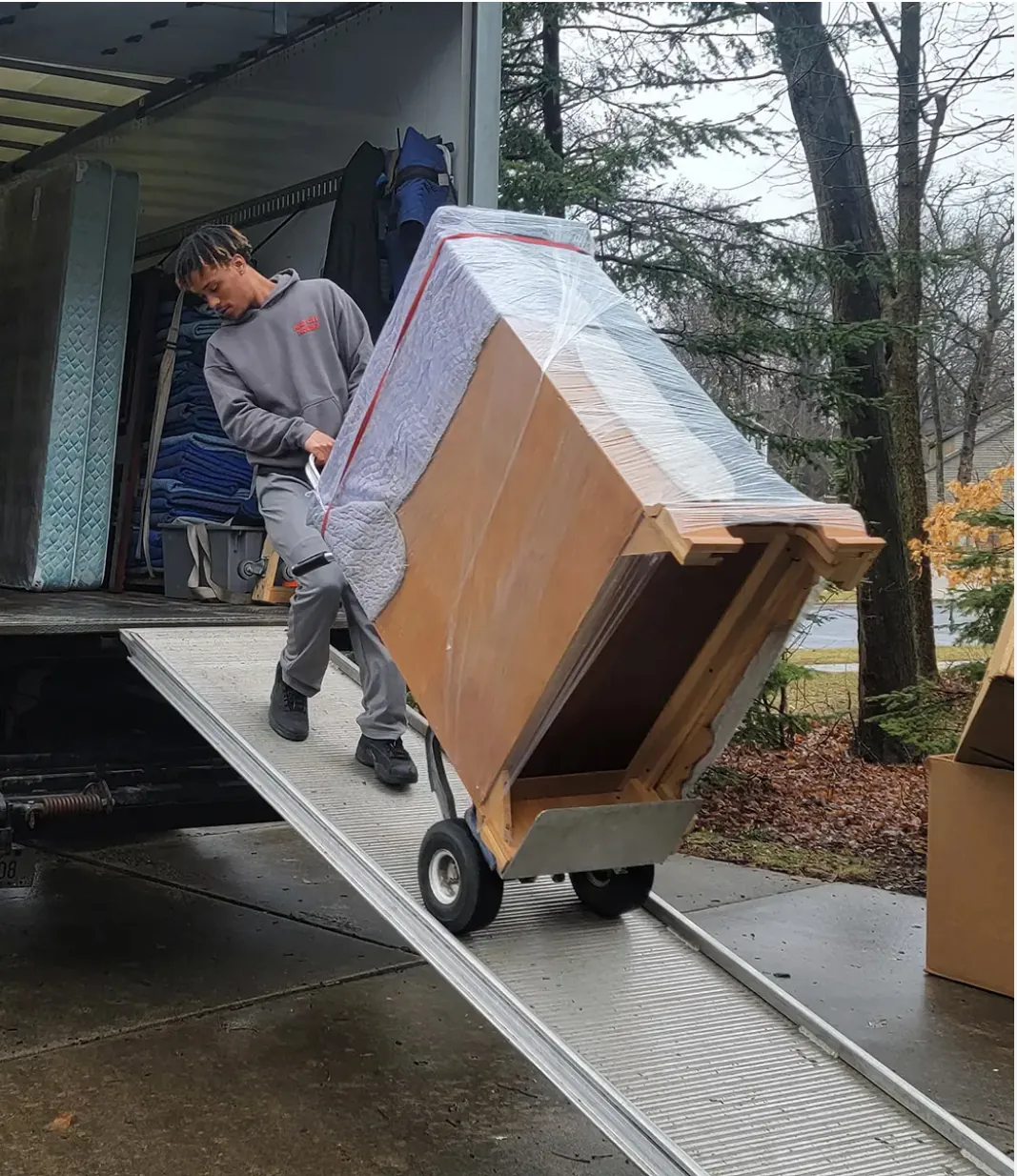
Compare Tampa to Miami Movers Quotes Line by Line
A useful quote explains how the price was calculated and what can change it. Ask whether the estimate is binding, non-binding, or binding-not-to-exceed. Confirm transportation, labor, packing materials, fuel or line-haul charges, valuation, stairs, elevators, long carries, shuttles, storage, bulky items, and waiting time. A low total is not meaningful when necessary services are missing.
Give every provider identical dates, inventory, access notes, and service requests. Then compare the legal company name, USDOT information when required, payment schedule, cancellation terms, pickup spread, delivery window, claim procedure, and subcontracting language. Never sign blank or incomplete paperwork. Keep copies of every revision and ask for written explanations when totals differ materially.
Season, day of the week, shipment size, flexibility, and service level all affect pricing on the Tampa–Miami lane. Month-end dates and summer weekends often have tighter capacity. Flexible customers may consider consolidated service, while households with firm possession dates may prefer dedicated or expedited transportation. The right choice balances cost, handling, schedule, and communication—not price alone.
Choose the Service Level That Fits the Shipment
- Full-service moving: packing, loading, transportation, unloading, and optional unpacking.
- Fragile-only packing: professional protection for art, glass, electronics, antiques, or heirlooms.
- Customer-packed service: transportation and handling while the household packs ordinary cartons.
- Storage-in-transit: temporary holding when possession dates do not align.
- Dedicated or expedited service: potentially tighter timing for customers whose schedule justifies the added cost.
A studio apartment, a four-bedroom household, and a senior downsizing move need different solutions. Ask how the shipment will be loaded, whether it may share trailer space, how inventory is separated, and who handles delivery. Specialty pieces require advance disclosure so the provider can supply appropriate equipment and trained labor.
Prepare the Miami Property Before the Truck Arrives
Confirm legal parking, gate codes, elevator reservations, floor protection, and the correct entrance. Destination planning should address high-rise elevator appointments, tight urban parking, condo insurance certificates, and event traffic. Measure tight turns and doorways for large furniture, decide room placement, and designate one adult to direct the crew. If building management needs a certificate of insurance, request it well before the delivery window.
At unloading, check item numbers against the signed inventory. Inspect furniture before assembly, note visible loss or damage on delivery documents, and take photographs. Do not discard packing materials connected to a possible claim until the provider gives instructions. Request claim procedures promptly and observe all written deadlines.

Verify Interstate Authority and Consumer Protections
For interstate transportation, use the FMCSA Protect Your Move resources and the FMCSA Company Snapshot. Confirm the legal name, USDOT number, authority, insurance filings, and whether the company is a carrier or broker. Read “Your Rights and Responsibilities When You Move” and understand valuation choices before signing.
Because this move remains within Florida, state licensing and consumer rules may also apply; confirm the provider’s status with the appropriate Florida regulator. Referral does not replace due diligence. The customer remains responsible for selecting a provider and reviewing contracts.

Why Begin With Best Movers Nationwide
Best Movers Nationwide helps consumers organize move details and connect with independent providers that may serve the requested route. A complete request—including origin, destination, dates, home size, access, packing needs, specialty items, and preferred contact method—makes provider conversations more efficient. Availability and pricing are never guaranteed, and each provider sets its own terms.
Review our nationwide moving services, explore interstate moving routes, and use the moving resources library. When ready, request options through the quote page and compare all credentials and written documents before hiring.
Request Tampa to Miami Movers Options
Share your locations, move date, home size, inventory, access conditions, and packing needs to discuss availability with independent providers.
Frequently Asked Questions About Tampa to Miami Movers
How much does a Tampa to Miami move cost?
Cost depends on shipment size, dates, access, packing, storage, valuation, and service level. Compare written estimates based on the same inventory.
How far is Tampa from Miami?
A typical route is approximately 280 miles, although exact mileage depends on the specific addresses and carrier routing.
How long can delivery take?
A common planning range is 1–3 days, but traffic, weather, shipment type, and operations vary. The selected provider’s written delivery window controls.
Is Best Movers Nationwide the carrier?
No. Best Movers Nationwide is a marketing, comparison, and referral platform. Independent carriers or brokers perform or arrange services.
How should I verify a provider?
Confirm the legal name and licensing. For interstate providers, review the USDOT record, authority, insurance filings, role, and complaint information through FMCSA.
When should I request estimates?
Four to eight weeks ahead is useful for ordinary dates. Allow additional time for summer, holidays, month-end dates, or strict building reservations.
Can a provider pack the whole home?
Many providers offer full, partial, fragile-only, and unpacking services. Confirm materials, labor, exclusions, and prices in writing.
What should stay with me?
Carry identification, medication, keys, financial records, irreplaceable documents, jewelry, chargers, and immediate-use essentials personally.
Can the shipment go into temporary storage?
Storage-in-transit may be available. Ask where goods are stored, how they are inventoried, access rules, charges, and final-delivery fees.
What happens after I request moving options?
Your information may be shared with independent providers that can discuss availability. Compare credentials, estimates, and contracts before choosing one.
Referral disclosure: Best Movers Nationwide is an independent marketing, comparison, and referral platform—not a motor carrier. It does not transport household goods. Independent providers set availability, pricing, and service terms. Verify every provider and review all documents before hiring.
Compare More Florida Interstate Moving Routes
Comparing Tampa to Miami movers against other Florida routes? See Miami to Tampa Movers, Long-Distance Movers Tampa, and Interstate Movers Miami. Every Tampa to Miami movers request goes through the same free comparison form.
Still planning your Tampa to Miami move? Compare long distance movers in Miami.