


Interstate Moving Services: What They Include and What They Cost
Interstate moving services are regulated differently from local moves, priced differently, and scheduled differently. If you have only ever hired movers within one metro area, almost everything about crossing a state line will be unfamiliar. Here is what actually changes.
What Counts as an Interstate Move
Any household move that crosses a state line is interstate, whether it is 40 miles or 3,000. That distinction matters because interstate household moves fall under federal oversight. The company must be registered with the Federal Motor Carrier Safety Administration and carry a USDOT number, and you are entitled to specific consumer protections and disclosures that do not apply to a purely local move.
What Interstate Moving Services Normally Include
- Loading, transport and unloading of your household goods
- Basic furniture protection with pads and wrap
- Disassembly and reassembly of standard beds and tables
- A written estimate and inventory
- Basic released-value liability coverage
Commonly billed separately: packing labour and materials, shuttle service when a large truck cannot reach the door, long carries, stair charges, storage in transit, appliance disconnection, crating for oversized glass or art, and full-value protection. None of this is unusual, but it should be disclosed during the estimate rather than discovered on moving day. See moving services for the full list.
How Interstate Moves Are Priced
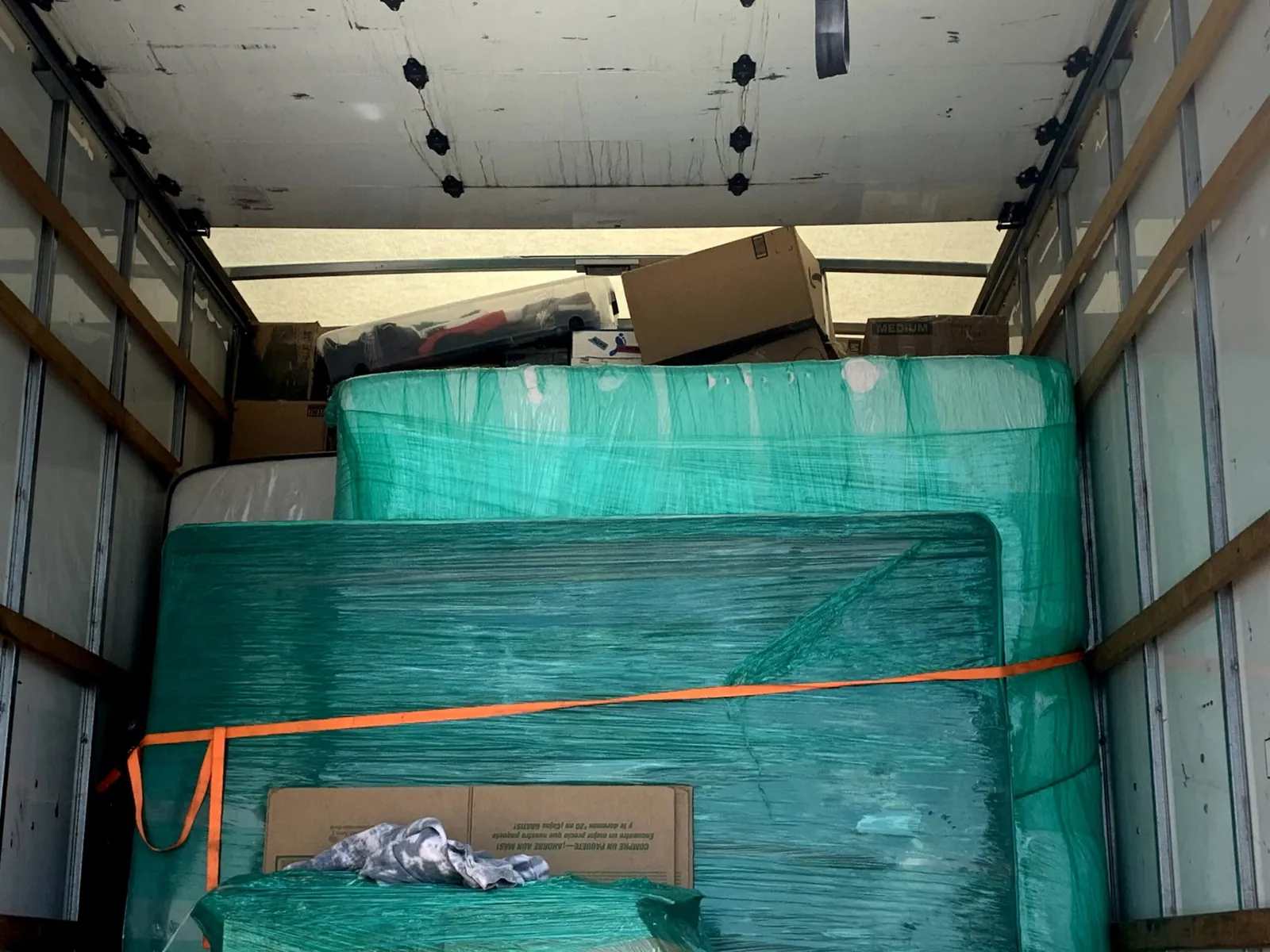
Weight and distance, primarily. Local moves are hourly; interstate moves are not. Your shipment is weighed, and the weight combined with mileage produces the base charge, to which access conditions, season and additional services are added.
Because weight is the dominant factor and it is the one you control, reducing what you ship is the most effective way to reduce an interstate quote. Our moving costs page breaks down every cost driver.
Carrier or Broker: Know Which You Hired
A carrier operates its own trucks and crews. A broker arranges for a separate carrier to perform the work. Both are legal and both must be federally registered, but they are not the same thing, and problems usually start when a customer believes they hired one and actually hired the other. Ask directly: will the company I am signing with be the company loading my truck? Then verify the answer at FMCSA Protect Your Move.
Delivery Windows on Interstate Moves
Unless you are paying for a dedicated truck, your goods will share trailer space with other households, and delivery will be quoted as a spread of days rather than a fixed appointment. Smaller shipments typically wait longer. Get the window in writing, and plan your first week around it rather than assuming a single arrival date.
Your Rights on an Interstate Move
Federal rules entitle you to a written estimate, an inventory, information about your valuation options, and a formal claims process if something is damaged. Note any damage on the delivery paperwork before signing, photograph it, and file the claim in writing and promptly. Never sign a blank or incomplete document, at either end of the move.
Compare Interstate Moving Quotes
Send your route, date and home size once and compare estimates from companies that cover your corridor. Free, and no obligation to book.

Understanding Interstate Moving Services
Moving can be a daunting task, especially when it involves relocating across state lines. Interstate moving services offer a necessary solution for those who need to transport their belongings safely and efficiently from one state to another. Whether you are moving for a job, family reasons, or a fresh start, understanding the landscape of long-distance movers is essential for making informed decisions.
What to Expect from a Professional Moving Service
Choosing a reputable interstate moving company can significantly ease the transition process. Professional movers are equipped with the necessary tools and expertise to handle your relocation seamlessly. Services typically include packing, loading, transporting, and unpacking your belongings. They also provide essential packing materials and offer insurance options to protect your items during transit.
Tips for a Smooth Interstate Move
To ensure a hassle-free moving experience, planning is key. Start by organizing your belongings early and decluttering what you no longer need. Gather multiple quotes from different interstate moving companies to find the best fit for your budget and needs. Lastly, familiarize yourself with the moving regulations and requirements of your new state, as these can vary significantly.
11 Practical Ways to Control Interstate Moving Costs
Because interstate pricing is driven mainly by shipment weight, distance, access and added services, most savings come from preparation rather than negotiation. These steps help you lower the bill without cutting the protections that matter.
- Declutter before the survey. Sell, donate or recycle items before anyone estimates your shipment, so the quote reflects what will actually move.
- Weigh replacement cost against shipping cost. Inexpensive, heavy furniture can cost more to move across several states than to replace at the destination.
- Ask for an in-home or live video survey. A visual survey produces a more reliable estimate than a phone quote and reduces the risk of a large adjustment later.
- Give every provider the same inventory. Identical details are the only way to make quotes truly comparable. Our guide on comparing three moving quotes shows how to line them up.
- Know your estimate type. Binding and binding-not-to-exceed estimates give you more price certainty than a non-binding estimate. See binding vs non-binding estimates.
- Pick flexible dates. Midweek and mid-month pickups, and moves outside the busy summer season, often have more availability.
- Pack the easy rooms yourself. Books, linens and clothing are simple to pack; consider paying for professional packing only on fragile items.
- Disclose access conditions early. Stairs, elevators, long carries and parking limits that surface on moving day can add charges or require a shuttle truck.
- Ask about every accessorial charge. Request a written list of possible extra charges, such as shuttle service, long carry, stair carry, storage and appliance service. Our list of hidden moving fees can help.
- Choose valuation deliberately. Released value protection is included at no extra charge but is limited to 60 cents per pound per article; full value protection costs more but offers broader coverage.
- Verify the company before paying. Check the USDOT number and registration through FMCSA Protect Your Move and be wary of large upfront deposits.
Interstate Moving Cost Questions
Why do quotes for the same interstate move differ so much?
Providers may estimate weight differently, include different services, or price a different estimate type. Equipment availability on a given route and date also varies. Compare the inventory, services and estimate type on each quote rather than only the total.
Can I be charged more than a non-binding estimate?
The final charge on a non-binding estimate follows the actual weight and services. Under federal rules, however, the mover generally cannot require you to pay more than 110 percent of the non-binding estimate at delivery; any remaining balance is billed afterward.
What is a shuttle charge?
When a large truck cannot safely reach a home because of narrow streets, low clearance or parking rules, a smaller vehicle may be used to move goods between the truck and the residence. That extra handling is often billed as a shuttle charge. Read more about long carry and shuttle fees.
Is a deposit normal for an interstate move?
Some legitimate movers request a reasonable deposit, but a demand for a large cash deposit before any survey or written estimate is a common warning sign. Pay with a traceable method and get the terms in writing.
Interstate Moving Services FAQs
How do I compare interstate moving services?
Compare written estimates for the same inventory, route, access conditions and protection level. Best Movers Nationwide helps consumers request and compare quotes from independent moving providers; it does not operate moving trucks or crews.
What is the difference between a carrier and a broker?
A carrier performs the move with its own authorized equipment and crew. A broker arranges transportation with an authorized carrier. Verify the company name, USDOT number and role before signing.
Are interstate moving quotes binding?
Quotes may be binding, non-binding or binding-not-to-exceed. Read the estimate type, inventory and extra-service terms carefully before booking.
How far ahead should I request quotes?
Start six to eight weeks ahead when possible, especially for summer, month-end and holiday moves. Earlier comparison gives you more time to verify providers and plan delivery windows.
What information produces a more accurate quote?
Provide complete origin and destination details, preferred dates, an itemized inventory, stairs or elevators, parking limits and every requested packing or storage service.