

Packing Fragile Items for Long-Distance Moving
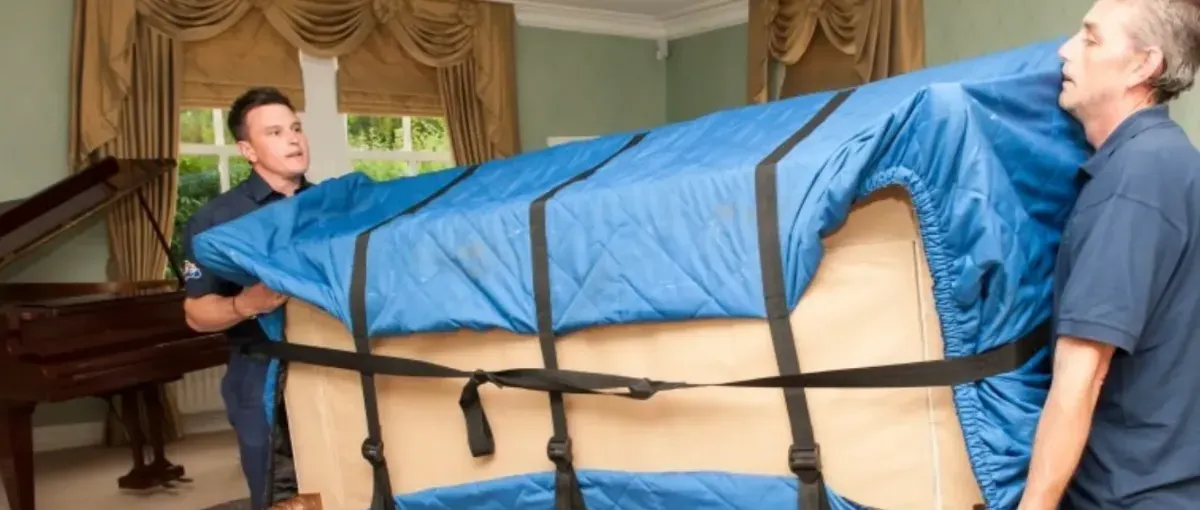
Fragile belongings face more handling, vibration, stacking pressure, and temperature changes during an interstate move than they do during a trip across town. A good result begins before the first box is taped. The goal is to prevent movement inside every carton, protect vulnerable edges, separate surfaces that can scratch, and make special-handling needs obvious to the crew. This guide gives homeowners a practical system for preparing glassware, dishes, artwork, electronics, lamps, mirrors, and sentimental pieces for a long-distance move. For a broader whole-home plan, read packing for a long-distance move.
Build a Fragile-Packing Station
Choose a clean table in a low-traffic room and gather small and medium double-wall cartons, dish packs, packing paper, bubble cushioning, foam pouches, corrugated dividers, painter’s tape, packing tape, labels, and a permanent marker. Avoid newspaper because ink can transfer. Do not use worn boxes with softened corners or moisture stains. Set aside original manufacturer boxes for electronics when the inserts still fit correctly. Photograph high-value items and note existing chips, cracks, or scratches before packing. Keep hardware, cords, remotes, and assembly instructions in labeled bags attached to the appropriate item whenever safe.
Use the Right Box for the Weight
A large carton filled with dishes becomes dangerously heavy and is more likely to split. Put dense fragile items in smaller cartons and reserve larger cartons for lampshades, pillows, or lightweight décor. Reinforce the bottom seam with quality tape, then create a cushioned base using crumpled packing paper. Test the base with gentle pressure; it should compress but should not collapse flat. Place the heaviest wrapped pieces at the bottom, maintain vertical orientation for plates, and keep empty space filled so contents cannot shift when the carton is carefully rocked.
Wrap Glassware, Dishes, and Ceramics
Wrap every piece individually. Stuff paper inside hollow glasses and cups, roll them diagonally through several sheets, and protect stems with extra cushioning. Place plates vertically like records rather than flat in a stack because edge-loaded plates generally tolerate transport forces better. Use dividers for glassware and never allow glass-to-glass contact. Nest bowls only when each bowl has a complete paper layer and padding between it and the next. Separate lids, wrap them independently, and cushion handles or spouts that can snap under side pressure.
Protect Art, Mirrors, and Frames
Place painter’s tape in a light X across ordinary glass to help contain fragments if breakage occurs, but never apply adhesive directly to artwork, antique glass, or delicate finishes. Cover corners with protectors, wrap the entire piece, and use a properly sized mirror or picture carton. Large, valuable, unusually shaped, or irreplaceable works may require custom crating. Mark the carton’s upright direction on multiple sides. Ask prospective movers how they handle fine art, whether crating is performed in-house or subcontracted, and how declared-value claims are documented.
Prepare Electronics and Lamps
Back up computers before disconnecting them. Photograph cable connections, remove batteries when appropriate, and label cords by device. Use antistatic protection for sensitive components; ordinary plastic can create static. Pack devices upright in original foam or fitted cushioning without over-tight pressure on screens. Let electronics return to room temperature before powering them after exposure to cold or heat. For lamps, remove bulbs, shades, harps, and finials. Pack shades alone or with very light materials, never underneath books or décor.
Fragile Packing Checklist Before You Seal the Box
- Photograph valuable or sentimental items before wrapping.
- Use a sturdy box sized for the item’s weight.
- Cushion the bottom and protect every surface and edge.
- Fill all empty space so nothing shifts during a gentle test.
- Record the carton number and destination room.
- Mark fragile cartons on the top and at least two sides.
Seal, Label, and Inventory
Fill top voids with paper before closing the carton. A properly packed box should not rattle during a gentle test. Label at least two sides and the top with FRAGILE, THIS SIDE UP, room, carton number, and a short contents description. Keep a matching inventory on your phone. Use discreet codes rather than advertising expensive contents. Photograph the closed carton and label for higher-value goods. On moving day, point out fragile cartons during the walkthrough instead of assuming every label will be noticed.
Compare Packing Services and Coverage
When comparing long-distance packing services, request written details about labor, materials, crating, unpacking, debris removal, and items the carrier will not transport. Ask whether the same company performing the move provides packing or whether another provider is involved. Interstate estimates and liability choices matter: released-value protection is not the same as full-value protection, and homeowners insurance may have limitations. Read every valuation document, note deadlines for reporting loss or damage, and retain receipts or appraisals for important pieces. Professional crews can also handle this through packing services for interstate moves.
Interstate Moving Consumer Protection
Best Movers Nationwide is a moving referral and comparison resource, not a motor carrier. We do not own moving trucks, transport household goods, or perform moves. When you request quotes, we may connect you with independent third-party moving companies. Each mover sets its own pricing, availability, service terms, and coverage. Before hiring any interstate mover, confirm its USDOT number, operating authority, complaint history, estimate terms, and insurance options through the FMCSA Protect Your Move program.
A legitimate interstate quote should identify the mover or broker, describe the shipment, and explain whether the estimate is binding or non-binding. Read the Rights and Responsibilities booklet, avoid signing incomplete documents, and keep copies of the estimate, order for service, bill of lading, inventory, valuation selection, receipts, and correspondence. Extremely low estimates, demands for large cash deposits, missing USDOT information, and refusal to perform a visual or detailed virtual survey are warning signs.
Helpful Moving Resources
Use our free moving quote form to compare available options. Learn how moving quotes work, explore nationwide moving services, review interstate moving routes, and browse our nationwide moving locations. For federal consumer guidance, consult the FMCSA mover search, the FMCSA Ready to Move brochure, and the USDA pet travel guidance when relevant.
Get Matched With Moving Options
Ready to plan your move? Request free moving quotes from available independent providers. Share accurate origin and destination access, approximate move date, home or office size, specialty items, and packing needs so providers can prepare more useful estimates. There is no obligation to book through Best Movers Nationwide.
Frequently Asked Questions
What materials protect fragile items best?
Clean packing paper, bubble cushioning, foam, corrugated dividers, corner guards, and sturdy double-wall cartons provide layered protection.
Should dishes be packed flat or vertically?
Pack plates vertically with padding between pieces and cushioning around every side of the carton.
Can I use towels instead of packing paper?
Towels can add cushioning, but they are bulky and may not protect surfaces consistently; use proper packing materials for valuables.
Do movers pack fragile items?
Many independent movers offer packing, specialty packing, or crating for an additional charge. Confirm scope and price in writing.
How should I pack wine glasses?
Cushion the bowl and stem separately, stuff the bowl lightly, wrap each glass, and use a divided dish carton.
Should I label boxes fragile?
Yes. Mark at least two sides and the top, include the room, and point out sensitive cartons during the mover walkthrough.
How do I pack a television?
Use the original fitted carton when possible, protect the screen without pressure, keep the television upright, and confirm mover requirements.
What items need custom crating?
Oversized mirrors, stone tops, fine art, sculptures, antiques, and unusually shaped high-value items often benefit from custom crates.
Does moving insurance cover breakage?
Coverage depends on the valuation option and policy terms. Review released value, full value, exclusions, and claim deadlines before moving.
When should fragile packing begin?
Begin several weeks ahead with décor and infrequently used items, leaving daily dishes and electronics until close to moving day.
Referral Disclosure
Best Movers Nationwide is a moving referral and comparison resource, not a motor carrier. We do not own moving trucks, transport household goods, or perform moves. When you request quotes, we may connect you with independent third-party moving companies. Each mover sets its own pricing, availability, service terms, and coverage. Before hiring any interstate mover, confirm its USDOT number, operating authority, complaint history, estimate terms, and insurance options through the FMCSA Protect Your Move program.