

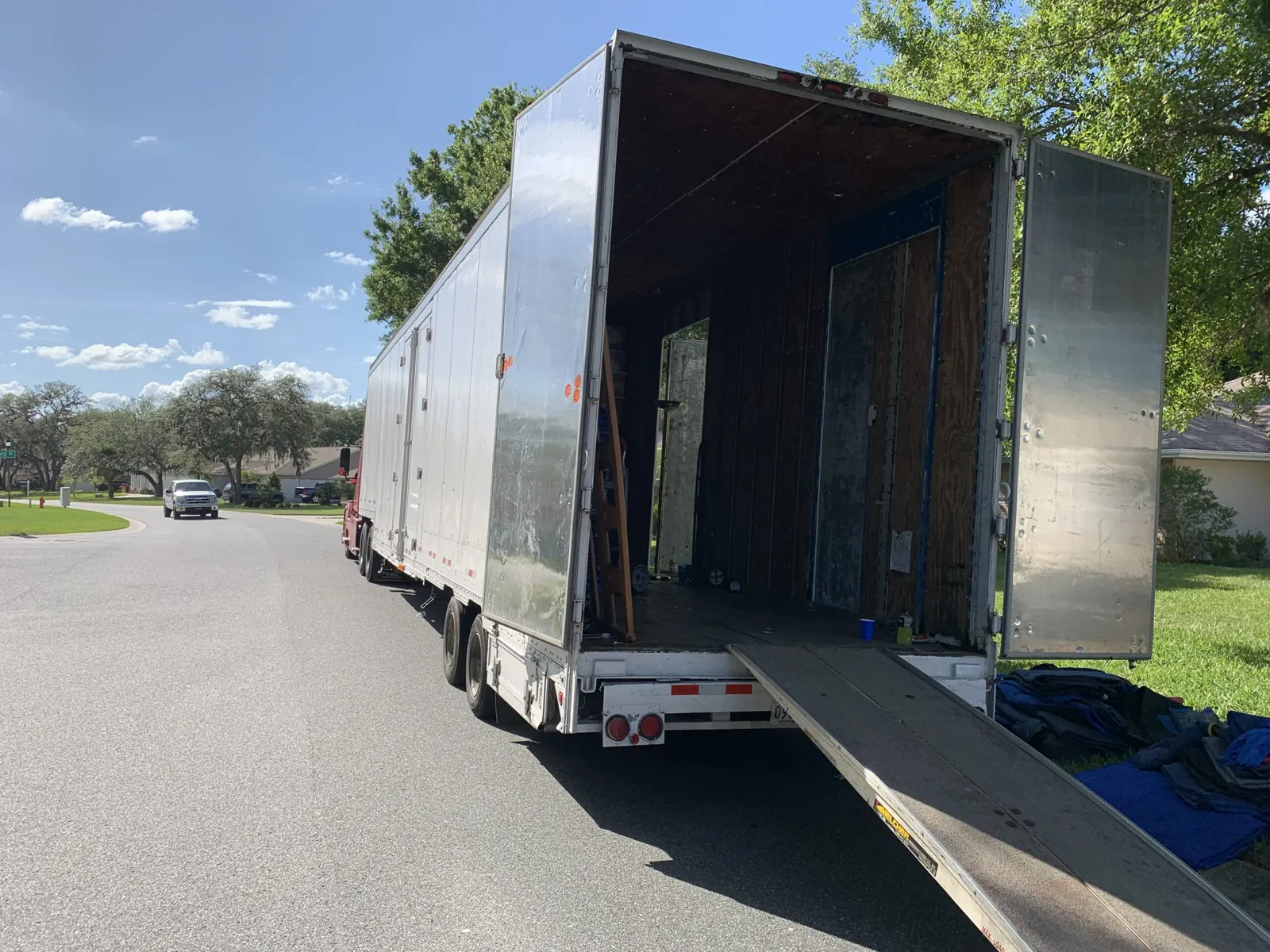
Interstate moving company quotes are easiest to compare when every provider receives the same inventory, route, dates and service requirements. Best Movers Nationwide is a referral and quote-comparison platform; it does not operate trucks or moving crews.
Understanding Interstate Moving
Interstate moving refers to the process of relocating goods and personal belongings from one state to another. This type of move often entails a number of unique considerations as compared to local moving, primarily due to the legal and logistical implications involved when crossing state lines. The significance of interstate moving is reflected not only in the sheer volume of such relocations in the United States but also in the economic and personal factors that drive individuals and families to undertake these journeys.
Many individuals choose to move across state lines for various reasons, with employment opportunities being one of the most prevalent motivators. Job relocations, career advancements, and the search for a better quality of life are common causes prompting people to seek out new residences in different states. Additionally, personal circumstances such as marriage, educational pathways, or the desire to be closer to family can also lead to interstate moves. These transitions often signify major life changes, and the decision to relocate is generally accompanied by thoughtful planning and consideration.
However, interstate moving is not without its complexities. It involves compliance with both state and federal regulations that govern the transportation of goods, including the type of insurance needed and the documentation required to ensure a smooth transition. The logistics of interstate moves can also be challenging, as they may include coordination with moving companies, securing transportation, and managing timelines effectively. As such, it’s crucial for individuals planning an interstate move to be well informed about the various aspects that will impact their experience. Understanding the intricacies of interstate moving can alleviate stress and facilitate a more efficient relocation process. Moreover, hiring experienced interstate moving services can greatly simplify the various logistical challenges, providing assistance with everything from packing to transportation and settling into a new home.
Key Considerations When Choosing a Moving Company
When planning an interstate move, selecting the right moving company is paramount to ensure a smooth and efficient relocation process. Several key factors should be considered to make an informed choice.
First and foremost, it is crucial to verify the licensing of the moving company. Interstate movers are required by law to have a valid Department of Transportation (DOT) number. This not only ensures that they operate legally, but also serves as a means of accountability. Checking the company’s licensing can provide peace of mind and is an essential step in the selection process.
Experience is another vital consideration. A moving company with a proven track record in interstate relocations is likely to have the necessary expertise to handle the complexities of long-distance moves. It is advisable to inquire about the years of operation, the number of interstate moves conducted, and specific challenges they have successfully navigated. A well-established company will typically have more resources and strategies in place, which can lead to a more efficient moving experience.
Customer reviews and testimonials play a significant role in assessing the reliability of a moving company. Reading feedback from previous clients can provide valuable insights into the company’s service quality, professionalism, and the overall satisfaction of their customers. Look for companies that consistently receive positive reviews and have high ratings on reputable review platforms.
Insurance coverage is also an essential factor to examine. A reputable moving company should offer various insurance options to protect your belongings during transit. Understanding the coverage limits and what is included in the policy will help ensure that you are adequately protected against potential damage or loss during the move. Additionally, inquire about any extra fees that may apply to the insurance coverage.
By carefully evaluating these factors—licensing, experience, customer reviews, and insurance coverage—you can enhance your chances of selecting a reliable moving company for your interstate relocation, ultimately leading to a successful and stress-free experience.
Popular Moving Routes Across the U.S.
When considering interstate moving, it is essential to understand the most popular routes that facilitate the transition from one state to another. Factors such as workforce demands, lifestyle changes, and economic opportunities often dictate these frequently traveled paths. This section will highlight several key interstate moving routes across the United States, focusing on their starting and ending points, reasons for their popularity, and challenges that may arise during the moving process.
One of the most traveled routes is the I-95 corridor, stretching from Houlton, Maine, down to Miami, Florida. This route connects several major cities, including New York City, Washington D.C., and Philadelphia, making it a vital link for those relocating for career opportunities or family reasons. The high density of traffic along this interstate can present challenges, particularly during peak moving seasons. However, its numerous amenities and access to services make it a preferred choice for many movers.
Another significant route is the I-40, which runs from Barstow, California, to Wilmington, North Carolina. This highway traverses diverse landscapes, from the desert of California to the rolling hills of the Southern U.S. Interstate 40 is particularly popular for those relocating to take advantage of the job market in North Carolina’s growing tech industry, alongside the appeal of its relatively affordable living costs.
The I-10 route spans from Santa Monica, California, to Jacksonville, Florida, and is notable for connecting major metropolitan areas such as Los Angeles, Phoenix, and New Orleans. This route is frequented by those moving for a mix of recreational and professional opportunities, benefiting from the scenery as one travels across states. Despite its popularity, the length of the journey can lead to unique challenges, including weather conditions and varying terrain.
Lastly, the I-70, which connects Baltimore, Maryland, to Cove Fort, Utah, presents a thrilling move for those heading west. This route is often sought after by individuals relocating for its mix of urban culture and outdoor adventure options, especially in areas like Colorado. However, it can also involve difficult mountain passes, which may pose difficulties for oversized moving vehicles.
Understanding these popular moving routes is crucial when planning an interstate move, as it enables individuals and families to prepare for their journey more effectively while considering potential obstacles along the way.
Cost Factors for Interstate Moves
When planning an interstate move, understanding the various cost factors is crucial for effective budgeting. The total expenses associated with moving across state lines can vary significantly based on several key components.
Firstly, transportation costs tend to be one of the largest expenses. This encompasses not only the rental of moving trucks but also fuel and tolls incurred during the journey. Larger moves may require additional services for transporting vehicles, which can further increase costs. To minimize expenses, it is advisable to obtain multiple quotes from different moving companies and to schedule the move during off-peak seasons, when rates may be lower.
Packing materials are another significant cost to consider. Items such as boxes, tape, bubble wrap, and protective coverings for furniture can add up quickly. It is often beneficial to explore options for obtaining free packing supplies from local retailers or by using reusable containers from previous moves. Additionally, some moving companies provide packing services, but be sure to clarify these costs upfront.
Labor costs, which include the fees for professional movers, can vary based on the complexity of the move, the number of movers required, and the duration of the move itself. It might be worth considering a do-it-yourself approach for packing and loading to reduce labor costs; however, hiring professionals can provide peace of mind and ensure a smoother relocation.
Beyond these primary costs, there may also be additional fees, such as insurance for your belongings, storage fees if you need to temporarily store items, and charges for additional services like unpacking or setup in your new home. Paying attention to these factors when budgeting for an interstate move will help anticipate expenses and allow for better financial planning.
Packing for an Interstate Move
Packing for an interstate move involves careful planning and organization to ensure the safe transport of belongings over long distances. The first step in this process is to gather quality packing materials. Items such as sturdy boxes, bubble wrap, packing tape, and markers for labeling can make a significant difference in the efficiency of the packing process.
When selecting boxes, it is advisable to choose various sizes to accommodate different types of items. Larger boxes can be used for lightweight, bulk items, while smaller boxes are ideal for heavy objects. Ensure that all boxes are labeled clearly with their contents and the room they belong to in the new home. This will facilitate easier unpacking and organization when you reach your destination.
Before packing, it’s important to declutter. Evaluate each item and determine whether it is essential for your move. Disposing of unwanted items can lighten the load and make the packing process considerably smoother. Consider donating, selling, or discarding items that you no longer need.
Organizing the packing process is crucial. Start with items that are not frequently used, such as seasonal decorations or spare bedding. Packing these earlier allows you to focus on essential items as the moving date approaches. It is also advisable to pack a separate box of necessities that you will need immediately upon arrival, such as toiletries, a few changes of clothes, and essential kitchen items.
For fragile items, extra care should be taken. Use bubble wrap or foam peanuts to cushion breakables and consider double-boxing fragile items for added protection. Make sure to fill any empty spaces in boxes to prevent shifting during transport, which can lead to damage. Securing boxes with packing tape and marking them as fragile will help to ensure the safety of your belongings during the move.
By following these tips and best practices for packing effectively, you can create a more organized and less stressful interstate moving experience. Thoughtful packing not only protects your valuables but also lays the groundwork for a successful transition into your new home.
Timeline for Planning an Interstate Move
Planning an interstate move requires a well-structured timeline to ensure a smooth transition. Starting the planning process several months in advance is advisable, particularly to make sure all details are accounted for and nothing is overlooked. Generally, a suggested timeline spans from three months prior to the move date to the moving day itself.
Three months before the move, it is crucial to begin researching interstate moving services. Gathering estimates from various moving companies can provide a clearer idea of the costs and logistics involved. Additionally, this allows for ample time to read reviews and compare services. During this period, it is also important to notify your landlord or real estate agent about your move, thereby cementing transition plans.
Two months before relocating, start decluttering your home. This involves sorting through belongings and determining what items to keep, donate, or discard. Having fewer items can make packing significantly easier. As part of your preparations, it’s advisable to create a master checklist that outlines the tasks that need to be completed. Begin packing non-essential items at this stage to ease the burden closer to the move date.
One month before the move, focus on securing your preferred interstate moving services. Confirm the moving date, finalize the inventory list, and ensure that all logistics are in place. This is also an excellent time to order packing supplies, such as boxes and tape, to aid in the packing process.
Finally, a week before moving day, organize an essentials box containing items needed immediately upon arrival at your new home. This may include toiletries, clothes, and important documents. As you approach moving day, ensure that all formalities are addressed, such as updating your address with relevant institutions. By following this structured timeline, you can mitigate potential challenges and ensure a successful interstate move.
Destinations and Moving Experiences
Relocating to a new state can be an exciting yet complex journey, often filled with a mix of anticipation and challenges. Individuals who have experienced interstate moving often share stories showcasing their unique encounters. Moving from a bustling city like New York to the relaxed pace of a coastal town in Florida can greatly alter one’s lifestyle. Those who have made such shifts frequently highlight the cultural differences encountered upon settling down in a new environment.
For instance, residents moving to states known for their southern hospitality, such as Texas or Tennessee, may notice a distinct change in social interactions. The friendly demeanor and casual greetings in these regions can be a refreshing experience for someone coming from a more fast-paced northern city. The contrast in local customs, festivals, and community events also creates a rich tapestry of cultural experiences for newcomers, enabling them to engage in diverse traditions.
Climate is another significant factor contributing to the overall moving experience. Transitioning from a temperate area like Seattle to a sunny desert region in Arizona can be a stark adjustment for many. Individuals often recount their adaptation to different weather patterns – from learning to cope with the arid heat of summer in Arizona to embracing the rainy seasons of the Pacific Northwest. This change affects not only one’s daily routine but also influences personal interests and activities, such as pursuing outdoor hobbies or exploring new culinary landscapes.
The lifestyle changes accompanying interstate relocation are profound. New residents frequently depict their journey of integrating into communities that may have different priorities and values. For example, individuals relocating to metropolitan areas might find that urban living fosters a vibrant nightlife and numerous recreational opportunities, contrasting with suburban locales that prioritize family-oriented activities. This transformation in social dynamics can either complicate or enrich one’s adaptation process.
These diverse experiences of moving across state lines encapsulate the essence of why individuals choose to relocate. Each story reflects personal growth and new beginnings, shaping their perspectives on culture, climate, and lifestyle in ways that can lead to lifelong memories and connections.
Legal Considerations in Interstate Moving
When engaging in interstate moving, understanding the legal framework surrounding the process is critical for both moving companies and clients. Interstate moves are governed by specific regulations set forth by the Federal Motor Carrier Safety Administration (FMCSA). These regulations are designed to ensure the safety, security, and reliability of the moving process.
One of the primary legal requirements for moving companies involved in interstate transport is securing proper licensing. Movers must have a valid USDOT number, which indicates that they are registered with the FMCSA and are compliant with federal regulations. This registration is not only crucial for legal operation but also serves as a measure of accountability and consumer protection.
The paperwork involved in interstate moving typically includes a Bill of Lading, which serves as a contract between the mover and the client. This document outlines the details of the move, including the items being transported, the services provided, and the estimated costs. It is vital for clients to review this document carefully before signing, as it encapsulates their rights and responsibilities during the moving process.
Additionally, moving companies are required to provide clients with specific disclosures and information regarding their rights. The FMCSA provides a pamphlet titled “Your Rights and Responsibilities When You Move,” which movers must offer to clients. This resource outlines important aspects, including the claims process for lost or damaged belongings and the standards of service that movers must adhere to.
Both clients and movers share legal responsibilities throughout the transaction. Clients are expected to disclose accurate information regarding the items being transported and ensure that all necessary arrangements are made for safe loading and unloading. Conversely, moving companies are responsible for handling the goods with care and delivering them according to the agreed timeline and conditions.
In conclusion, understanding the legal considerations associated with interstate moving is essential for ensuring a smooth and compliant moving experience. Adhering to relevant regulations, completing necessary paperwork, and fulfilling responsibilities can help prevent misunderstandings and disputes between movers and clients.
Tips for Settling into a New State
Moving to a new state can be both exciting and challenging. Once you have completed the physical process of relocation, the next important step is to adjust to your new environment. This offers a fresh start and a chance to explore different community resources. Understanding the local culture and engaging with the community are crucial components of a successful transition.
One of the first steps in adapting to your new surroundings is to seek out community resources. Local libraries, community centers, and websites can provide valuable information about local events, services, and activities. These resources often host gatherings that allow newcomers to connect with long-time residents. Participating in these events is a great way to familiarize yourself with the area and learn about the unique characteristics that define your new state.
Building social connections is another essential aspect of settling in. Consider joining clubs or organizations that align with your interests. Whether you enjoy sports, art, or volunteer work, engaging in these activities can connect you with like-minded individuals and facilitate friendships. Many states have platforms that focus on connecting newcomers with neighbors, making the integration process smoother.
Additionally, it is important to navigate local customs and cultural nuances. Each state has its own social etiquette, traditions, and norms that could differ significantly from what you are used to. Take time to observe and learn about these cultural elements; this can prevent misunderstandings and enhance your interactions with others. For instance, knowing the local customs for greeting, dining, or even dress codes can provide a smoother entry into your new environment.
By actively engaging with the community, utilizing available resources, and being open to learning about local culture, you will find your adjustment to a new state to be a rewarding experience. With each step taken towards understanding and connecting with your new home, you will not only settle in but also thrive in your new environment.
Interstate Moving Company Quotes FAQs
How many interstate moving quotes should I compare?
Compare at least three written estimates based on the same inventory and services so pricing differences are meaningful.
What makes an interstate quote accurate?
A complete inventory, exact addresses, access details, requested dates, packing needs and storage requirements improve accuracy.
How do I verify an interstate mover?
Confirm the company name, USDOT number, authority status and complaint history through FMCSA Protect Your Move.
Why are interstate moving estimates different?
Differences may reflect shipment weight, distance, estimate type, valuation coverage, access charges, packing and delivery service.
Does Best Movers Nationwide perform moves?
No. The site connects consumers with independent providers so they can request and compare moving quotes.