
Moving From Nashville to Boston: 7 Smart Tips
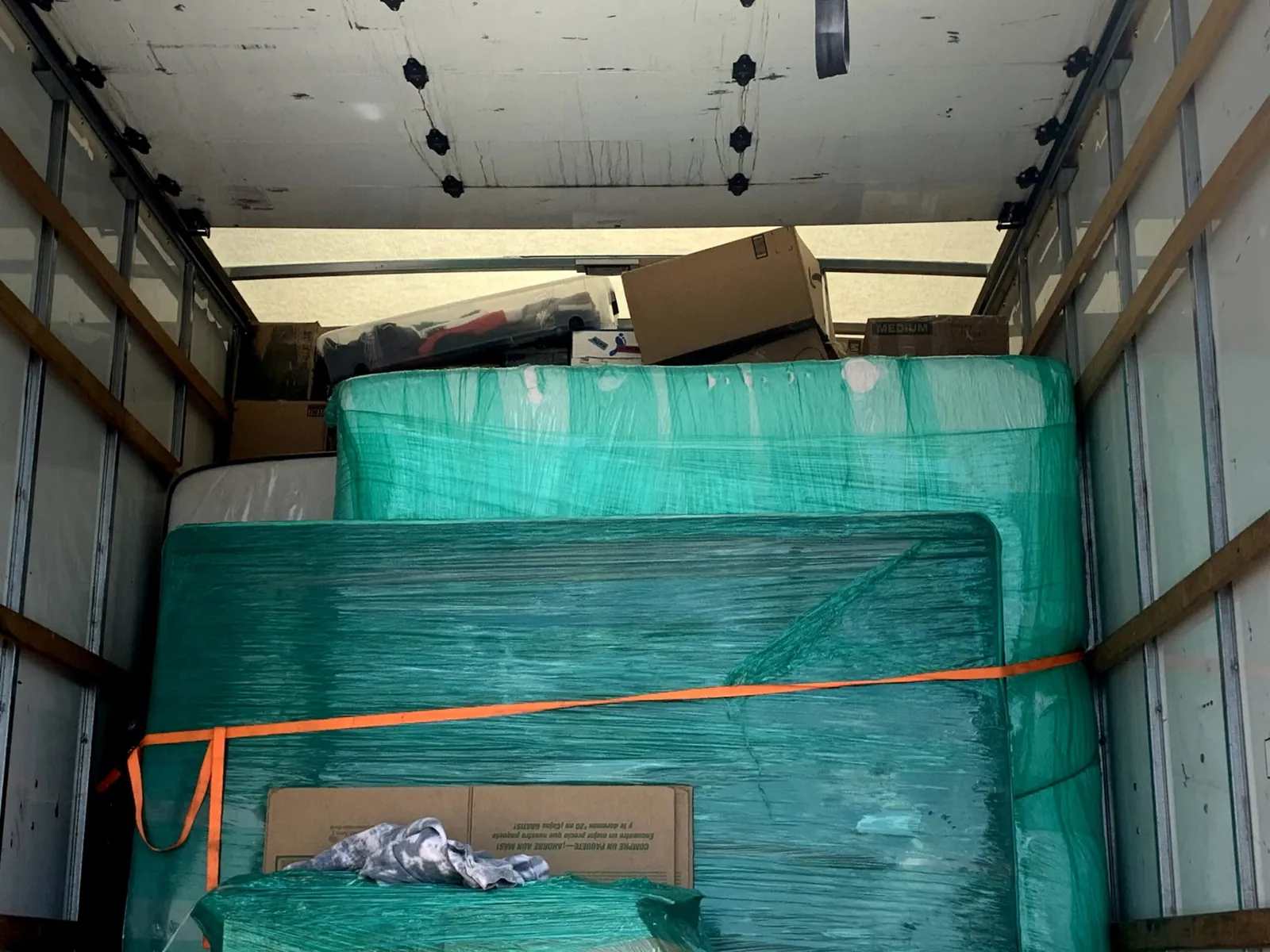
Moving from Nashville to Boston means planning for Boston parking, older buildings and the September 1 rush. Use these tips with our interstate moving cost guide and quote comparison guide, then request a free moving quote.
Table of Contents
Moving from Nashville to Boston is a very different job from the same trip in reverse, and most people do not find that out until moving day. The mileage is identical, roughly 1,100 miles, but the hard part flips from the loading end to the delivery end. Boston is one of the most access-constrained cities in the country for moving trucks, and that single fact drives most of the cost difference on this corridor. When you compare Nashville to Boston movers, judge each one on how well it plans the Boston delivery end, not just the price. Making the trip in reverse? See moving from Boston to Nashville.
Best Movers Nationwide is a moving quote platform, not a carrier. We take your move details once and connect you with companies that run this lane so you can compare real numbers.
Who Makes This Move
Northbound traffic on this corridor is driven by different things than southbound. Healthcare and biotech hiring, university appointments, graduate programs, finance and law placements, and family reasons dominate. It skews toward smaller shipments than the Boston-to-Nashville direction, because many of these moves are individuals and couples rather than families relocating a full house.
That matters for pricing. Smaller interstate shipments share trailer space with more households, which usually means a wider delivery window and a higher rate per pound than a full-truckload move. If you are moving a one-bedroom, expect to wait a little longer than a family shipping a four-bedroom house on the same lane.
What Moving From Nashville to Boston Costs
Interstate pricing comes down to weight and distance, with access and season layered on top. Distance is fixed here. Weight depends on what you own. Where this route differs is the third factor: Boston delivery conditions add cost that the same shipment would not incur arriving in Nashville.
- Shuttle service. Tractor-trailers cannot access much of Beacon Hill, the North End, the South End, Cambridge and Somerville. A smaller truck ferries goods from the trailer to your door, and it is a real line item.
- Long carries. If the truck parks a block away, the crew carries your shipment that block, billed accordingly.
- Stairs. Triple-deckers and walk-ups are the default housing stock across much of the metro.
- Street occupancy permits. Much of Boston requires reserving curb space in advance. Without it your crew improvises, expensively.
- Elevator buildings. Newer buildings in the Seaport, Back Bay and Cambridge often require a reserved freight elevator and a certificate of insurance filed days ahead.
Our moving costs page explains how each of these is calculated.
The September 1 Problem
Roughly two-thirds of Boston-area leases turn over on September 1. The result is a single day when tens of thousands of people move simultaneously, streets are impassable, trucks are triple-booked, and rates peak. If your date is flexible by even a week in either direction, move it. If it is not, book much further ahead than you would for any other date in the year.
The same week produces the annual pile of discarded furniture on Boston sidewalks and a well-documented spike in rental trucks hitting the low bridges on Storrow Drive. Your carrier should know the city well enough to route around both.
Where You Are Landing Matters
Boston is not one delivery environment, it is several. Back Bay and Beacon Hill mean narrow one-way streets, permit requirements and frequently a shuttle. The Seaport and newer Cambridge buildings mean freight elevators, insurance certificates and strict move-in windows. Somerville, Dorchester, Jamaica Plain and Allston mean triple-deckers and stairs. The suburbs along Route 128 and beyond behave like normal American delivery addresses with driveways and parkable streets.
Tell your estimator exactly which of these you are moving into. It is the single biggest driver of surprise charges on this corridor.
How Long Delivery Takes
Road time is two to three days. Your contractual delivery window will be wider, commonly measured in days and sometimes longer for small shipments in peak season, because trailers consolidate multiple households. Get the spread in writing, and do not schedule your lease start, your flight and your delivery on the same day.
Leaving Nashville: The Easy End
Pickup in Nashville is generally straightforward. Most of Davidson County and the surrounding areas, including East Nashville, Donelson, Hermitage, Antioch, Bellevue, Franklin and Murfreesboro, have driveways, parkable streets and truck access. The exceptions are downtown, the Gulch and Midtown high-rises, where you will need a reserved freight elevator and building paperwork, same as on the Boston end.
Summer heat is the other Nashville-side consideration. Candles, electronics, vinyl records and anything else heat-sensitive should travel with you rather than sitting in a trailer in July.
Best Time to Move Northbound
October through April is cheaper and easier to schedule, with the caveat that New England winter can delay a delivery. That is a scheduling risk, not a damage risk, and a buffer day usually covers it. Avoid late August entirely on this route. See moving routes for how other corridors behave seasonally.
Verify the Company First
Every interstate household mover must be registered with the Federal Motor Carrier Safety Administration and carry a USDOT number. Look up any company free at FMCSA Protect Your Move before paying a deposit. Get the estimate in writing, confirm whether it is binding, non-binding or binding not-to-exceed, and read the valuation section. See how moving quotes work for the mover-versus-broker distinction.
Frequently Asked Questions About Moving From Nashville to Boston
How far is Nashville to Boston?
Roughly 1,100 miles by road, typically two to three days of driving time for a moving truck.
Why is delivery to Boston more expensive?
Access. Shuttles, long carries, stairs, permits and building requirements are far more common in Boston than in most of Nashville.
Do I need a parking permit in Boston?
In much of the city, yes. Confirm whether you or the moving company pulls it, and apply well ahead of your date.
What is a shuttle fee?
The cost of using a smaller truck to reach a door a tractor-trailer cannot. It should be identified during the estimate, not on delivery day.
Should I avoid September 1?
If you possibly can, yes. It is the single busiest and most expensive moving day in the Boston area.
How far ahead should I book?
Six to eight weeks for summer, longer if you are arriving in late August. Two to four weeks is often workable off-season.
Can I ship a car on this route?
Yes, auto transport is commonly paired with this move. Parking realities in Boston are worth considering before bringing a second car.
What if my Boston apartment is not ready?
Storage in transit handles the gap. Raise it during the estimate so it is priced in advance.
Are small shipments harder to move?
Not harder, but they often wait longer for consolidation and cost more per pound than large shipments.
Does Best Movers Nationwide perform the move?
No. We are a quote platform. An independent moving company covering this corridor performs the move, and you should verify that company yourself.
Related Resources
Planning your move from Nashville to Boston? Compare providers with a free moving quote, review our full moving cost breakdown, and browse other popular interstate moving routes we service. For independent guidance on vetting a licensed, insured long-distance mover, the Federal Motor Carrier Safety Administration’s Protect Your Move resource is a great place to start.
Get Quotes for Your Nashville to Boston Move
Send your details once. Free, about two minutes, no obligation to book.