

Senior Downsizing for an Interstate Move
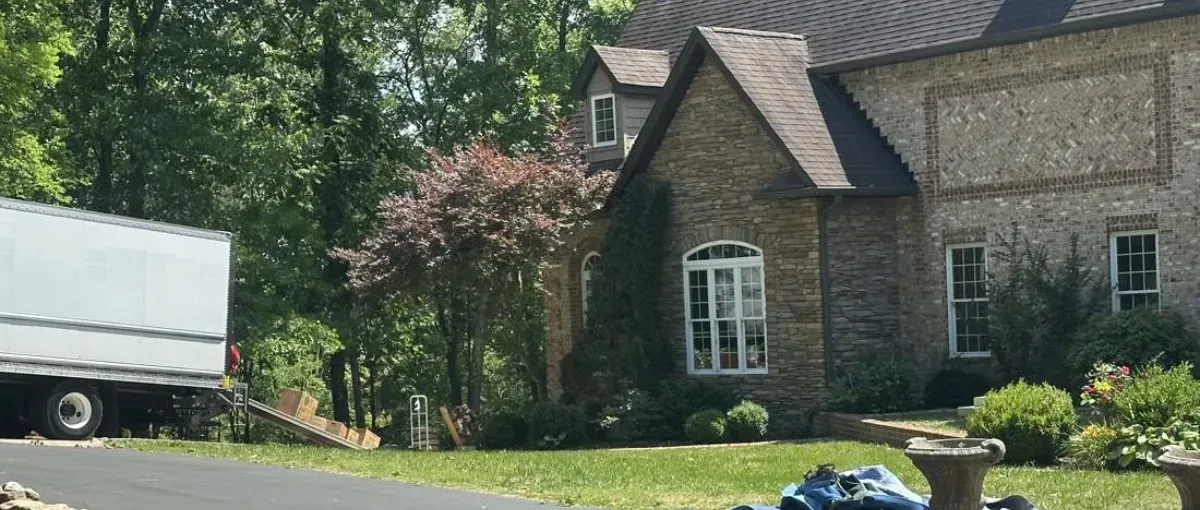
Senior downsizing is not simply a smaller household move. It often involves decades of belongings, medical needs, accessibility decisions, estate items, family coordination, and an emotional farewell to a familiar home. A respectful plan protects the older adult’s authority while dividing a large project into manageable decisions. This guide organizes the work from destination measurements through moving-day safety and setup. For full-service help with an older adult relocation, see senior long-distance moving services.
Begin With the New Home
Obtain an accurate floor plan and measure doors, hallways, elevators, closets, and storage areas. Identify which furniture fits physically and supports safe movement. Confirm community rules for deliveries, loading docks, elevator reservations, insurance certificates, parking, and move-in hours. Review accessibility needs such as step-free entry, bathroom supports, lighting, seating height, and space for mobility equipment. Planning from the destination backward prevents paying to transport furniture that cannot be used.
Protect Choice and Dignity
The older adult should lead decisions whenever capable. Family members can organize categories and deadlines without taking over. Begin with low-emotion areas such as duplicate linens or pantry goods before tackling photographs and heirlooms. Work in short sessions with breaks. Use clear choices—keep, give to a named person, sell, donate, recycle, or discard—and avoid an ambiguous “maybe” pile that grows indefinitely. Photograph meaningful items and record the story attached to them before they leave.
Handle Documents and Valuables Separately
Gather identification, legal documents, financial records, insurance policies, prescriptions, medical summaries, keys, jewelry, cash, photographs, and irreplaceable papers. These should travel personally, not in the moving truck. Shred sensitive documents that no longer need retention. Ask qualified legal, tax, or financial professionals about records with required retention periods; a mover or referral website cannot provide that advice. Create an inventory and obtain appraisals for valuable antiques, art, or collections before deciding whether to ship, sell, or distribute them.
Choose Appropriate Help
A senior move manager, estate-sale professional, organizer, auctioneer, donation service, junk-removal provider, packer, or custom crating specialist may be useful, but responsibilities should be defined in writing. Check references, insurance, fees, commission arrangements, and data-handling practices. When comparing interstate movers, verify USDOT information, written estimate type, delivery window, valuation choices, claim process, and any shuttle or elevator charges. Ask who will communicate with the family and whether packing or unpacking crews are employees or subcontractors.
Prepare Health and Daily Essentials
Coordinate prescription refills, medical equipment, mobility aids, dietary requirements, and provider records well before departure. Pack a personally transported kit with several days of medication, identification, phone chargers, hearing-aid batteries, glasses, clothing, toiletries, snacks, water, medical contacts, and comfort items. Never pack oxygen, medication, or essential equipment without checking safety and mover restrictions. Arrange transportation based on endurance and mobility, including accessible hotels or flight assistance when needed.
Design a Safe Moving Day
Keep the older adult away from open doors, ramps, cords, clutter, and heavy traffic. A calm alternate location or designated seated area with a responsible companion can reduce fatigue. Assign one family decision-maker to communicate with the crew. Photograph rooms and important items before loading, retain the inventory, and keep building instructions available. At the destination, prioritize clear walking paths, lighting, the bed, bathroom necessities, medication, a comfortable chair, and a working telephone.
Settle In Without Rushing
Unpack essentials first and use familiar objects to make the new space recognizable. Arrange frequently used items between knee and shoulder height to reduce bending and reaching. Remove cartons promptly from walking routes. Verify emergency contacts, building procedures, transportation, pharmacy, healthcare providers, and meal plans. Sentimental unpacking can happen gradually. The objective is not a showroom on day one; it is a safe, functional home where the older adult knows where important things are.
Interstate Moving Consumer Protection
Best Movers Nationwide is a moving referral and comparison resource, not a motor carrier. We do not own moving trucks, transport household goods, or perform moves. When you request quotes, we may connect you with independent third-party moving companies. Each mover sets its own pricing, availability, service terms, and coverage. Before hiring any interstate mover, confirm its USDOT number, operating authority, complaint history, estimate terms, and insurance options through the FMCSA Protect Your Move program.
A legitimate interstate quote should identify the mover or broker, describe the shipment, and explain whether the estimate is binding or non-binding. Read the Rights and Responsibilities booklet, avoid signing incomplete documents, and keep copies of the estimate, order for service, bill of lading, inventory, valuation selection, receipts, and correspondence. Extremely low estimates, demands for large cash deposits, missing USDOT information, and refusal to perform a visual or detailed virtual survey are warning signs.
Helpful Moving Resources
Use our free moving quote form to compare available options. Learn how moving quotes work, explore nationwide moving services, review interstate moving routes, and browse our nationwide moving locations. For federal consumer guidance, consult the FMCSA mover search, the FMCSA Ready to Move brochure, and the USDA pet travel guidance when relevant.
Get Matched With Moving Options
Ready to plan your move? Request free moving quotes from available independent providers. Share accurate origin and destination access, approximate move date, home or office size, specialty items, and packing needs so providers can prepare more useful estimates. There is no obligation to book through Best Movers Nationwide.
Frequently Asked Questions
How far ahead should senior downsizing begin?
Begin two to three months ahead when possible; homes with decades of belongings may need longer.
What should be sorted first?
Start with low-sentiment duplicates and items that clearly will not fit the new home.
What documents should travel personally?
Identification, legal and financial papers, medical records, prescriptions, keys, cash, jewelry, and irreplaceable records.
What is a senior move manager?
A specialist who may coordinate sorting, floor planning, packing, moving, and setup. Services and credentials vary, so vet carefully.
How do we divide heirlooms fairly?
Create an inventory, document wishes, use a transparent selection process, and seek legal advice when an estate plan controls distribution.
Should we hold an estate sale?
It may help for valuable volume, but compare fees, timelines, expected proceeds, and alternatives such as donation or auction.
How do I compare movers for a senior move?
Verify federal credentials and compare written estimates, timing, packing, accessibility charges, valuation, claims, and communication.
What should be unpacked first?
Bed, bathroom supplies, medication, mobility equipment, clothing, kitchen basics, lighting, seating, and phone service.
How can family avoid conflict?
Keep the older adult’s choices central, define roles, document decisions, and schedule short sessions instead of forcing rushed choices.
Are moving expenses tax deductible?
Rules change and circumstances differ. Consult a qualified tax professional rather than relying on a mover for tax advice.
Referral Disclosure
Best Movers Nationwide is a moving referral and comparison resource, not a motor carrier. We do not own moving trucks, transport household goods, or perform moves. When you request quotes, we may connect you with independent third-party moving companies. Each mover sets its own pricing, availability, service terms, and coverage. Before hiring any interstate mover, confirm its USDOT number, operating authority, complaint history, estimate terms, and insurance options through the FMCSA Protect Your Move program.